
Seasons By MnegronS 🇵🇷
Ambassador©
©

As the owner of a personalized products shop, I have always understood that every detail matters, but if there is something that truly defines product quality, it is color. At Seasons, every design I create has a purpose: to transmit emotions, celebrate moments, and offer something that not only looks beautiful but also feels special. For a long time, I worked with methods such as heat transfer vinyl (HTV) and sublimation, adapting my ideas to the limitations of each technique. However, everything changed when I started working with DTF printing. I currently have experience working with the F13 and have recently incorporated the P13, which has allowed me to make a direct comparison between machines within the same technology.
From the very first moment I used DTF technology, I knew I was entering a new stage of my business. It was not just a technical improvement, but a transformation in the way I create. DTF technology allows me to bring my designs exactly as I imagine them, without having to simplify or compromise color quality. For someone who works with aesthetics, branding, and personalized details, this makes a huge difference. However, as I began working with different DTF printer models, I also understood that not all of them offer the same performance, especially when it comes to color, definition, and consistency.
About a week ago, I added the P13 to my workshop, and from the very first tests I noticed clear differences compared to other machines I had used before. One of the aspects that impressed me the most was color intensity. Although DTF technology in general already provides good results, the P13 achieves a level of saturation and brightness that feels cleaner and more faithful to the original design. Compared to other models, including the F13, the colors on the P13 appear more balanced, with better ink distribution and smoother tonal transitions.
Before, when I worked with sublimation, I had to think a lot about fabric type and base color because I knew it would directly affect the final result. With DTF, that concern is reduced, but when comparing printers within the same technology, there are still important differences. For example, in tests on dark fabrics, the P13 achieved a more uniform white base, allowing colors to appear more solid and vibrant compared to other machines where the white layer can look less consistent or slightly dull.
One of the first tests I did with the P13 was a design with strong tones, including red, blue, and yellow details. This type of combination is ideal for uating a printer's ability to handle intense colors and contrast. When comparing the result with prints made on other machines, I noticed that the P13 delivered greater color depth, especially in reds and blues, which looked richer and less flat. In addition, the yellow details maintained their brightness without losing visibility, something that in other printers can be affected depending on the base or saturation.
Another important point in this comparison is detail reproduction. In designs with gradients, shadows, and small elements, the P13 showed better precision. Color transitions appear smoother and more natural, without harsh cuts or loss of definition. Compared to other machines, where gradients can sometimes look more segmented or less fluid, the P13 achieves a more professional and visually appealing finish.
I also noticed a difference in printing consistency. As a business, it is essential that every piece maintains the same level of quality, and when comparing multiple prints across different machines, the P13 showed more uniform results. This translates into less variation between pieces, which is key when working with custom orders or production in volume.
Regarding the finish, although DTF technology in general provides a good texture, the experience with the P13 has been particularly positive. The final result feels flexible and well bonded to the fabric, without excess stiffness. This improves not only the appearance but also the customer's perception when wearing the garment. Compared to other printers, where the finish can vary depending on settings or adhesive application, the P13 has proven to be more consistent in this aspect.
When analyzing durability, the difference between printers also becomes evident over time. After several washes, prints made with the P13 have maintained their color and structure better. Although other DTF printers also offer good durability, the color stability of the P13 has remained more uniform, without noticeable loss of intensity.
Beyond the technical aspects, this comparison has allowed me to better understand how the choice of printer directly impacts the final product quality. It is not just about using DTF technology, but about using a machine that truly maximizes its benefits. In this sense, the P13 has proven to be a tool that elevates the production standard within my business.
For Seasons, this represents an important evolution. Being able to offer more vibrant colors, more precise details, and greater consistency in every piece not only improves the product but also the customer experience. In a market where personalization is key, having a printer that guarantees these results makes a huge difference.
In conclusion, although DTF technology in general already represents a significant advancement compared to traditional methods, the comparison between different printers shows that not all machines deliver the same level of performance. The P13 stands out for its ability to reproduce more intense colors, maintain a better white base, offer higher detail precision, and ensure superior consistency in every print. For any business looking to take its quality to the next level, choosing the right equipment is just as important as the technique used, and in my experience, the P13 has been one of the best options to achieve it.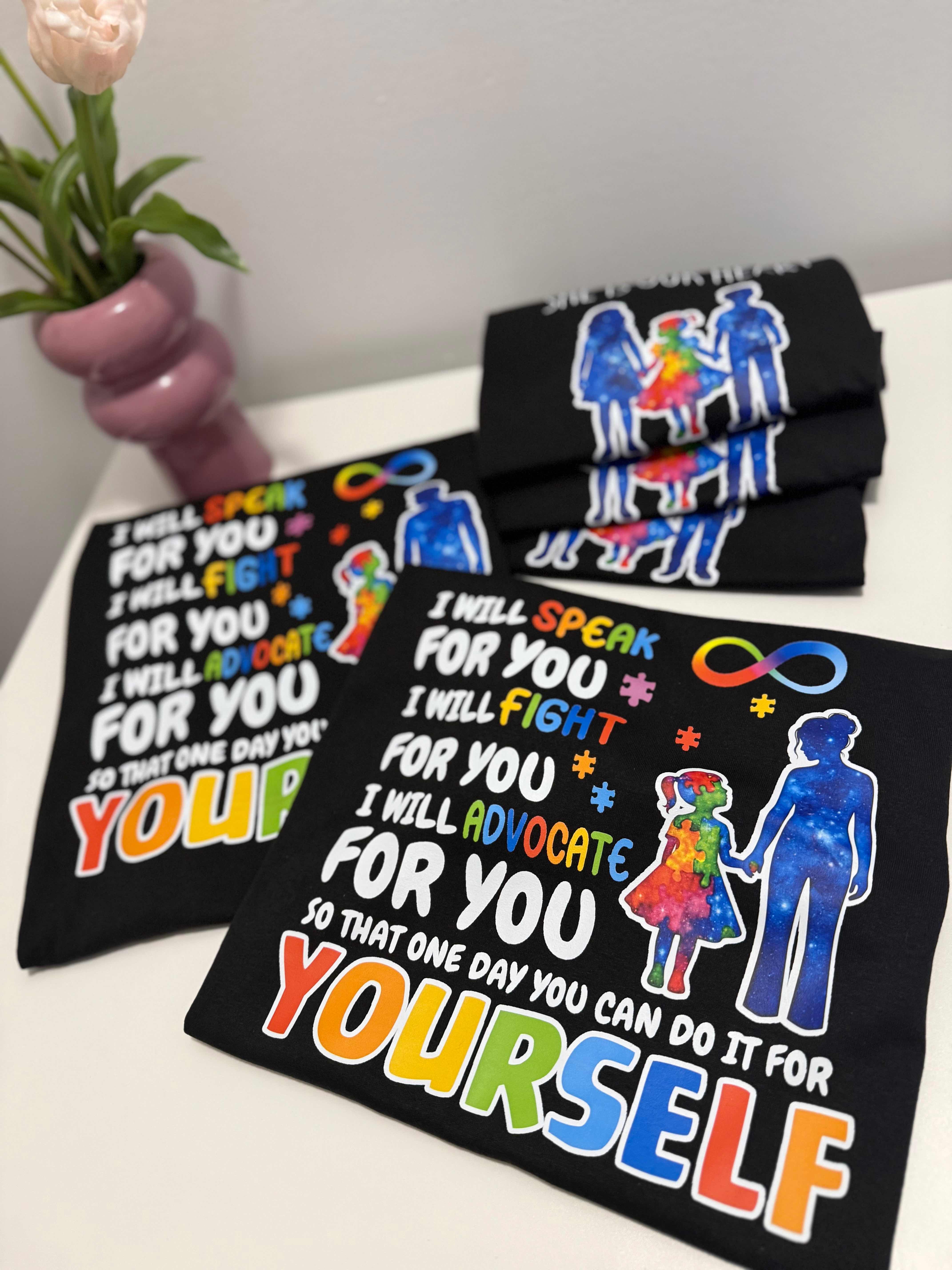



Comment